teamLab: Impermanent Flowers Floating in an Eternal Sea | teamLab
teamLab: Impermanent Flowers Floating in an Eternal Sea
teamLab has been exploring how humans understand the world, its perceived boundaries, and the perception of continuity itself.
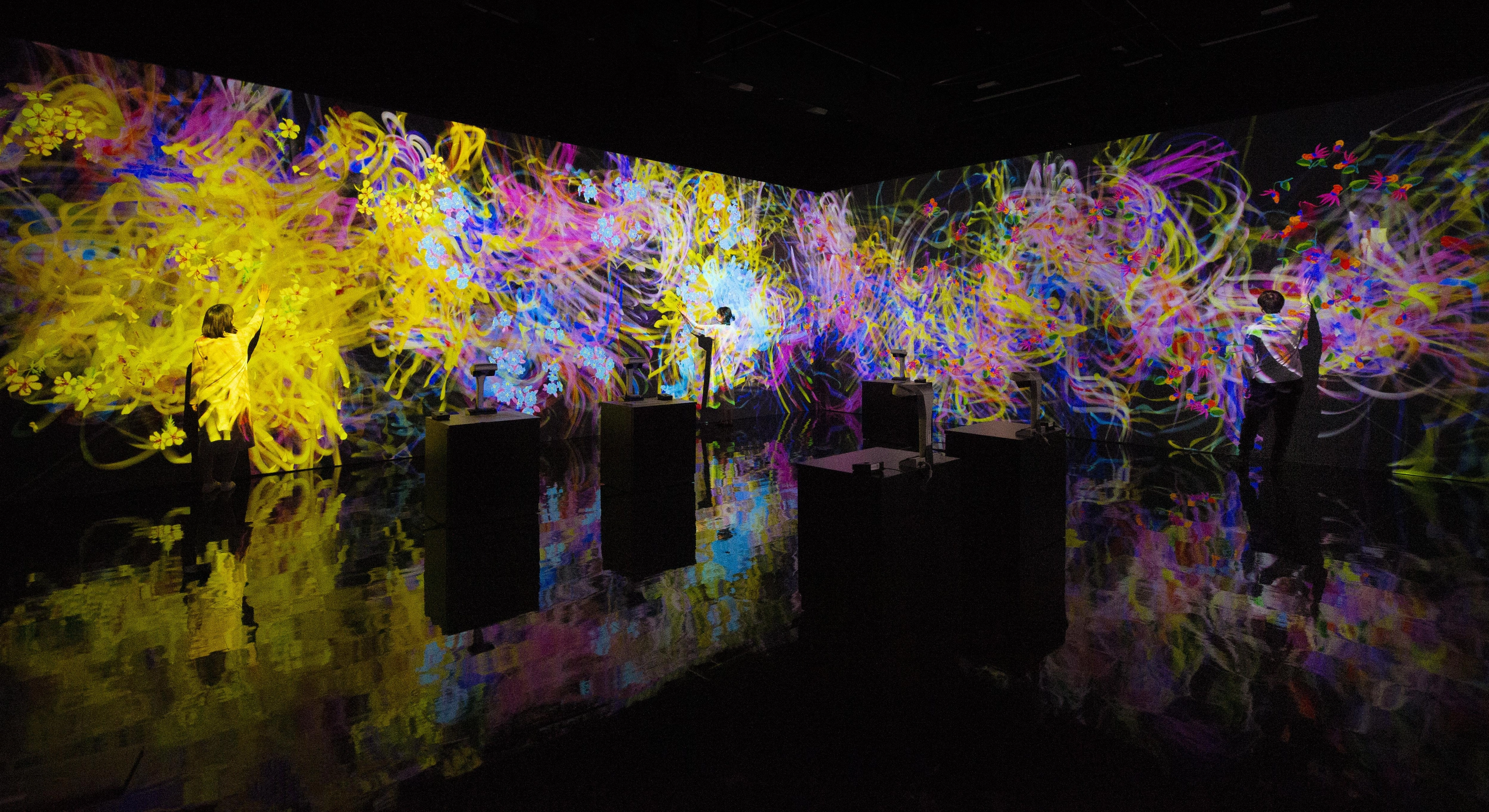
This exhibition comprises artworks based on teamLab’s concept Ultrasubjective Space.
When the world is cropped by lenses or perspective in a moving image, the space in that image appears to exist on the other side of the screen, and the screen becomes a boundary. When our viewpoint is fixed, we lose sense of our body, and because our perception is narrowed to focus on a single point, we are easily put in a hypnotic state where intent and critical spirit are lost.
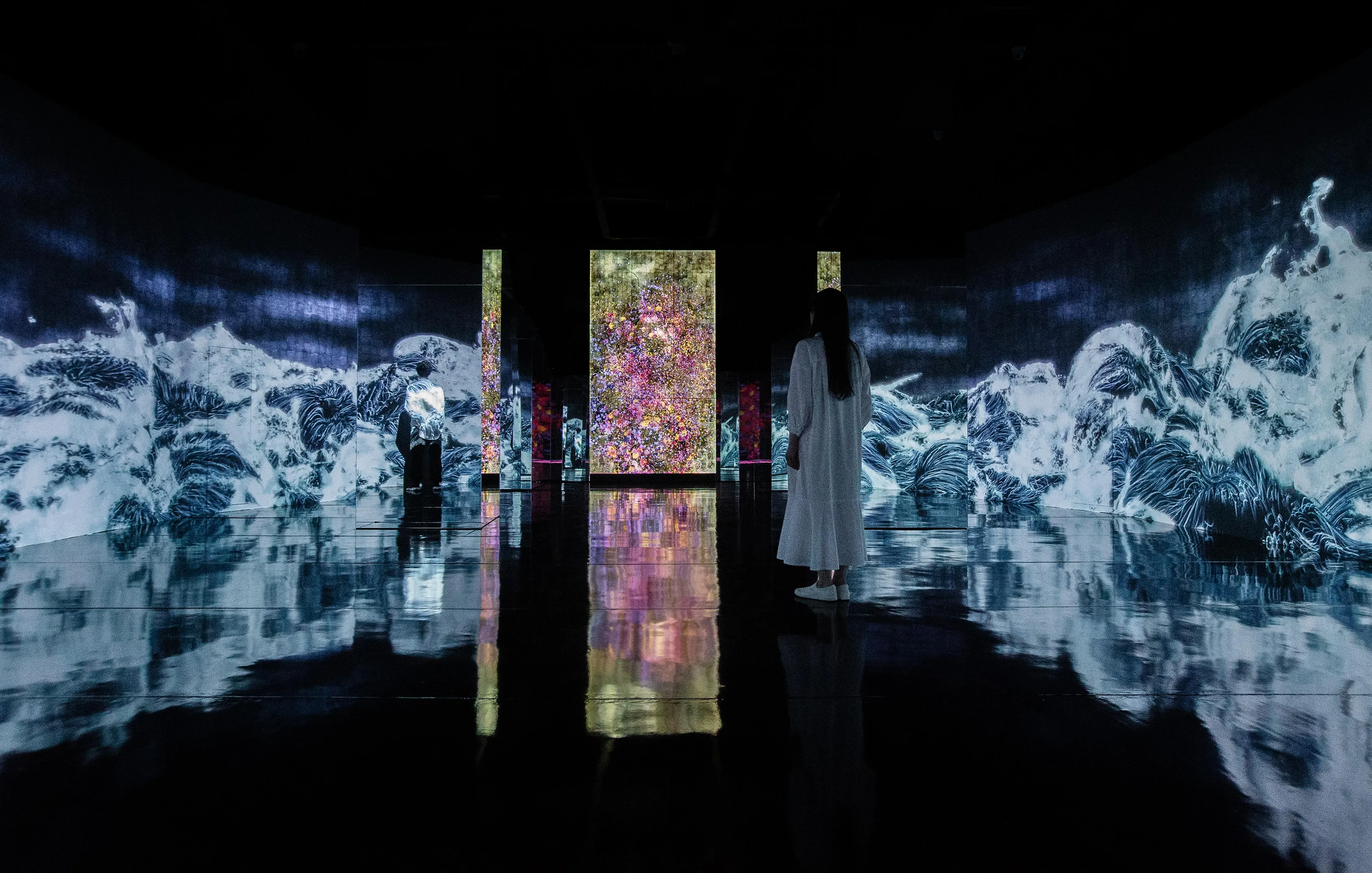
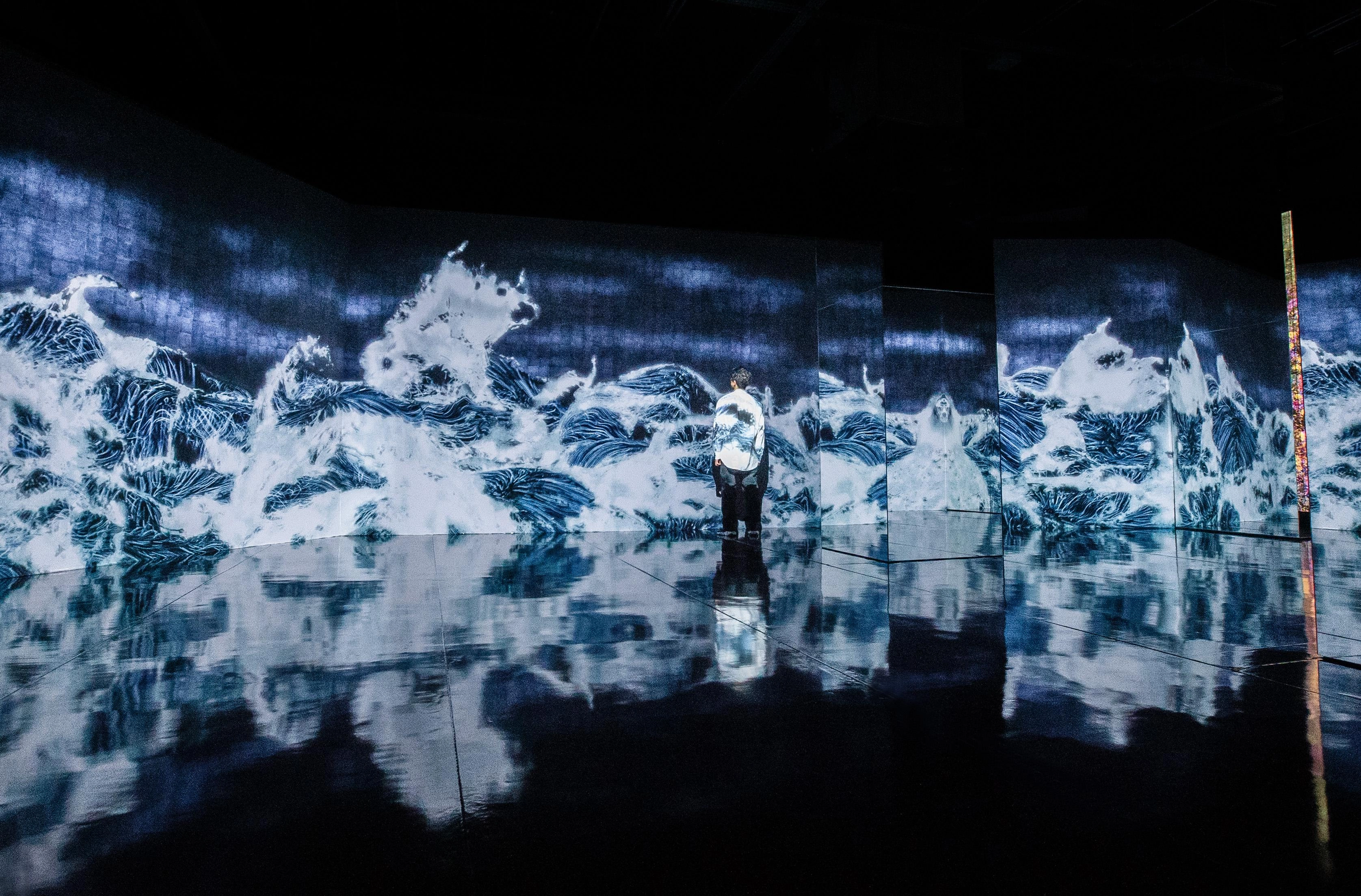
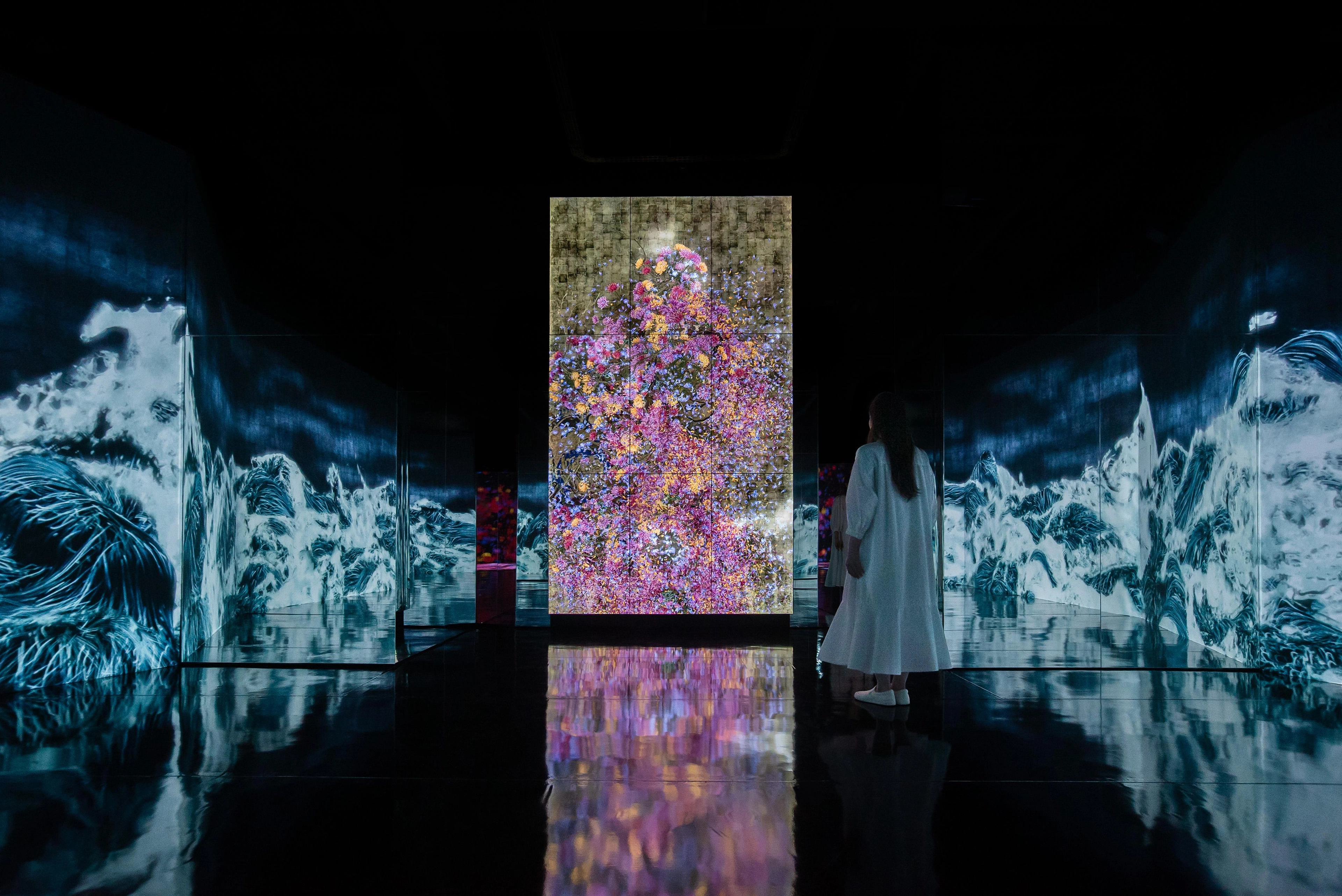
The screens of works based on Ultrasubjective Space do not become a boundary, blurring the borders between the space of the viewer and the artwork. Because the viewpoint can move, we can walk freely while looking at the image, and by not creating a focus, it becomes possible to expand perspective infinitely. The eye is not guided anywhere, enabling us to view the image with freedom of intent.
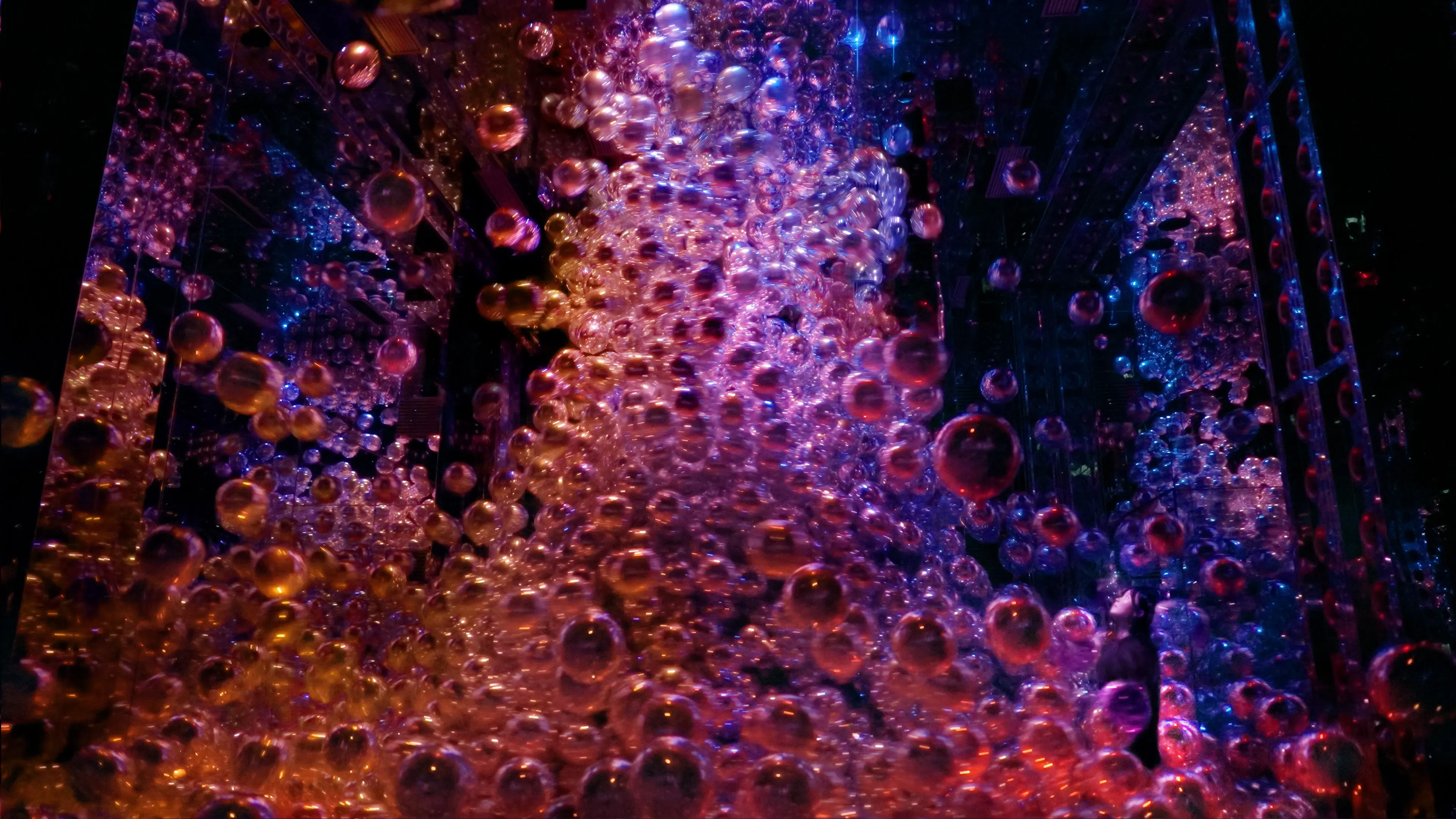
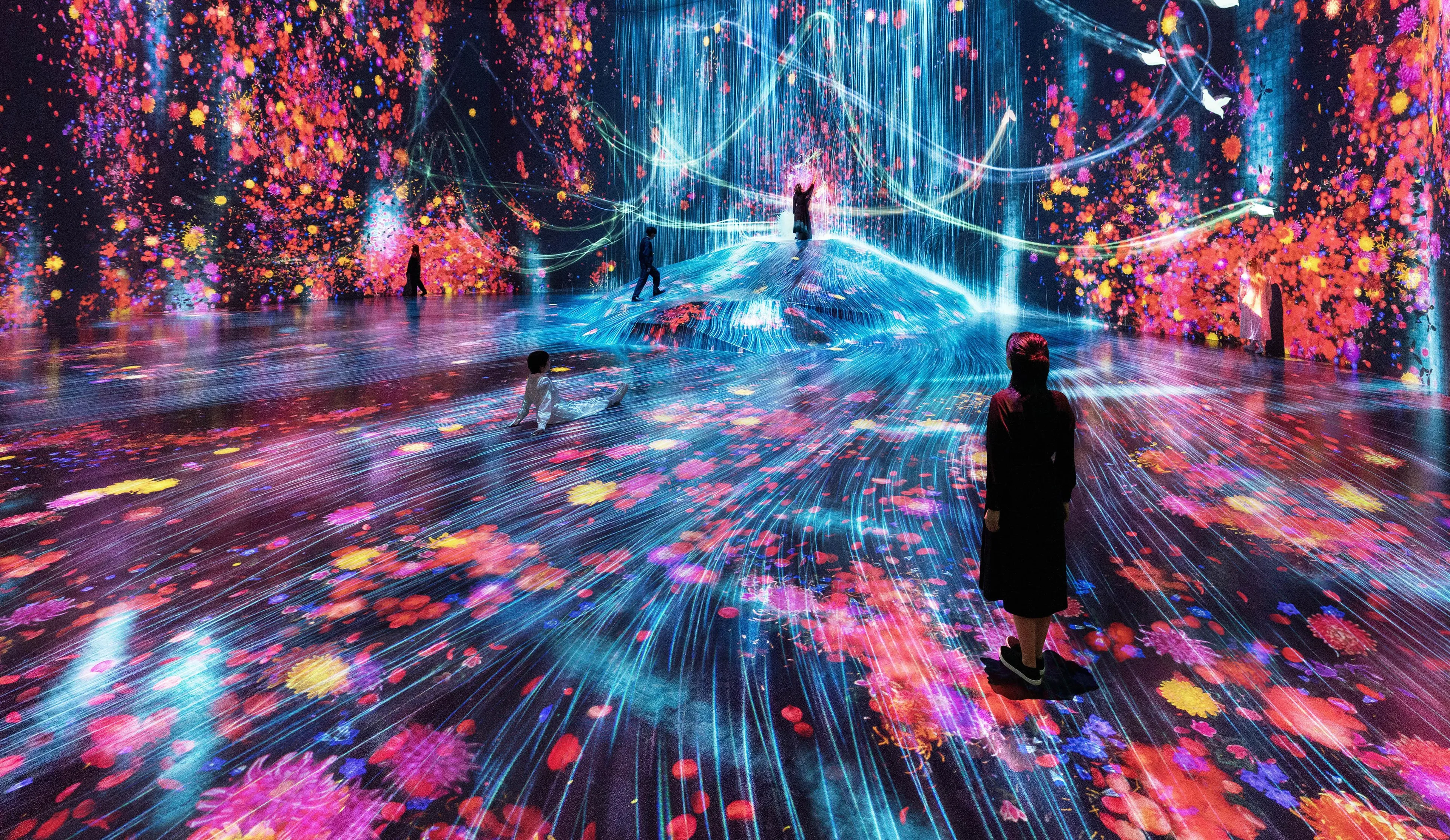
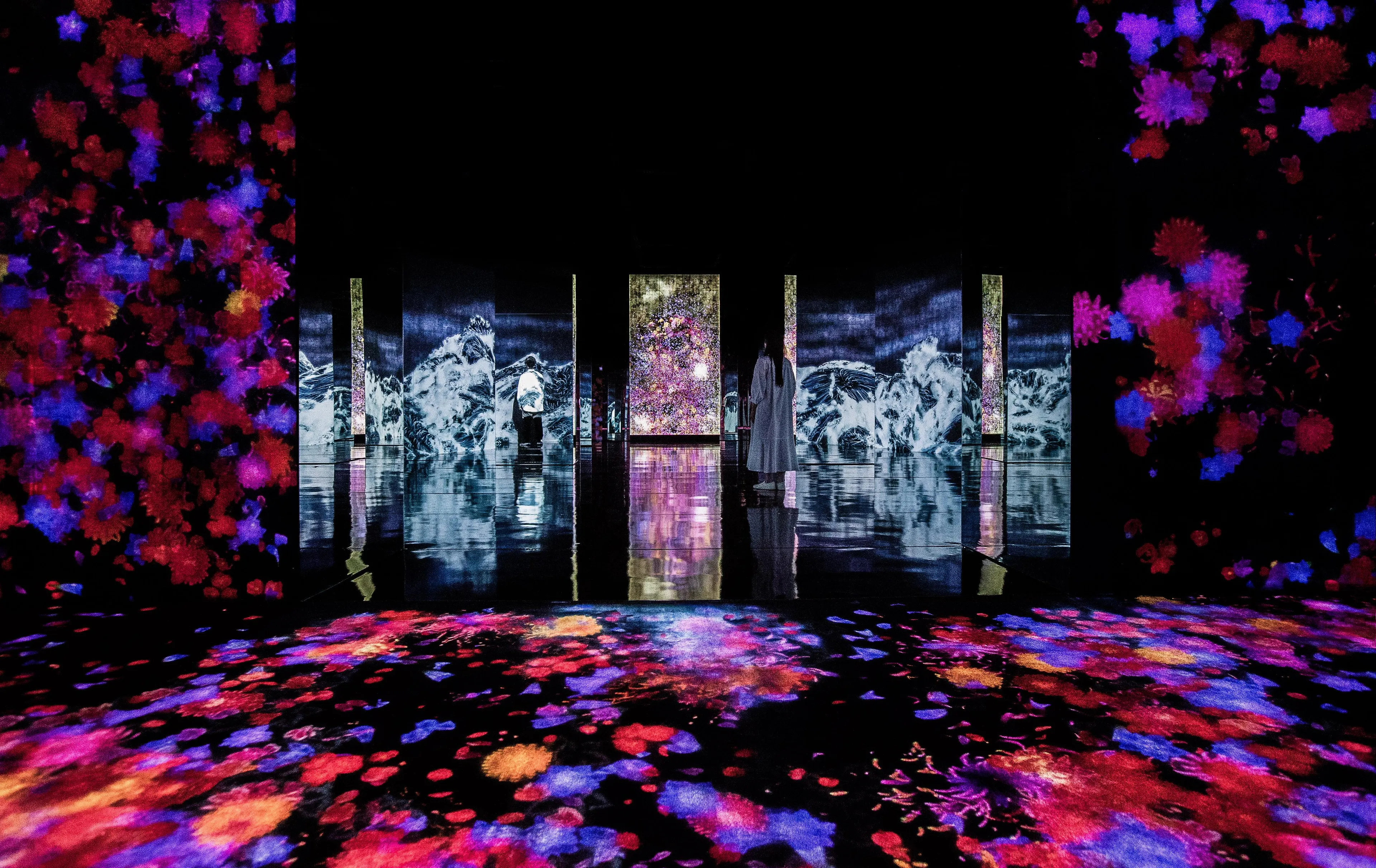
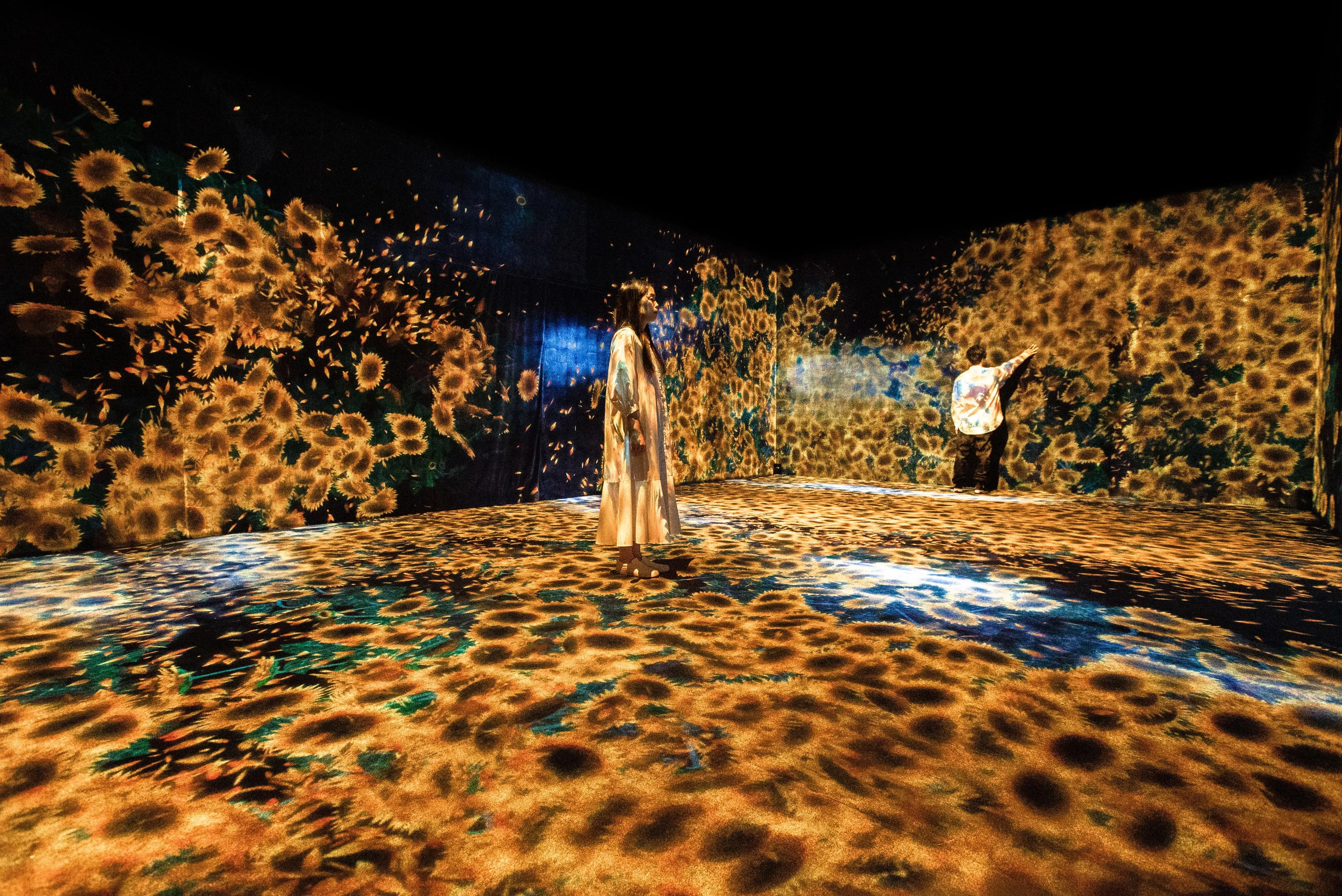
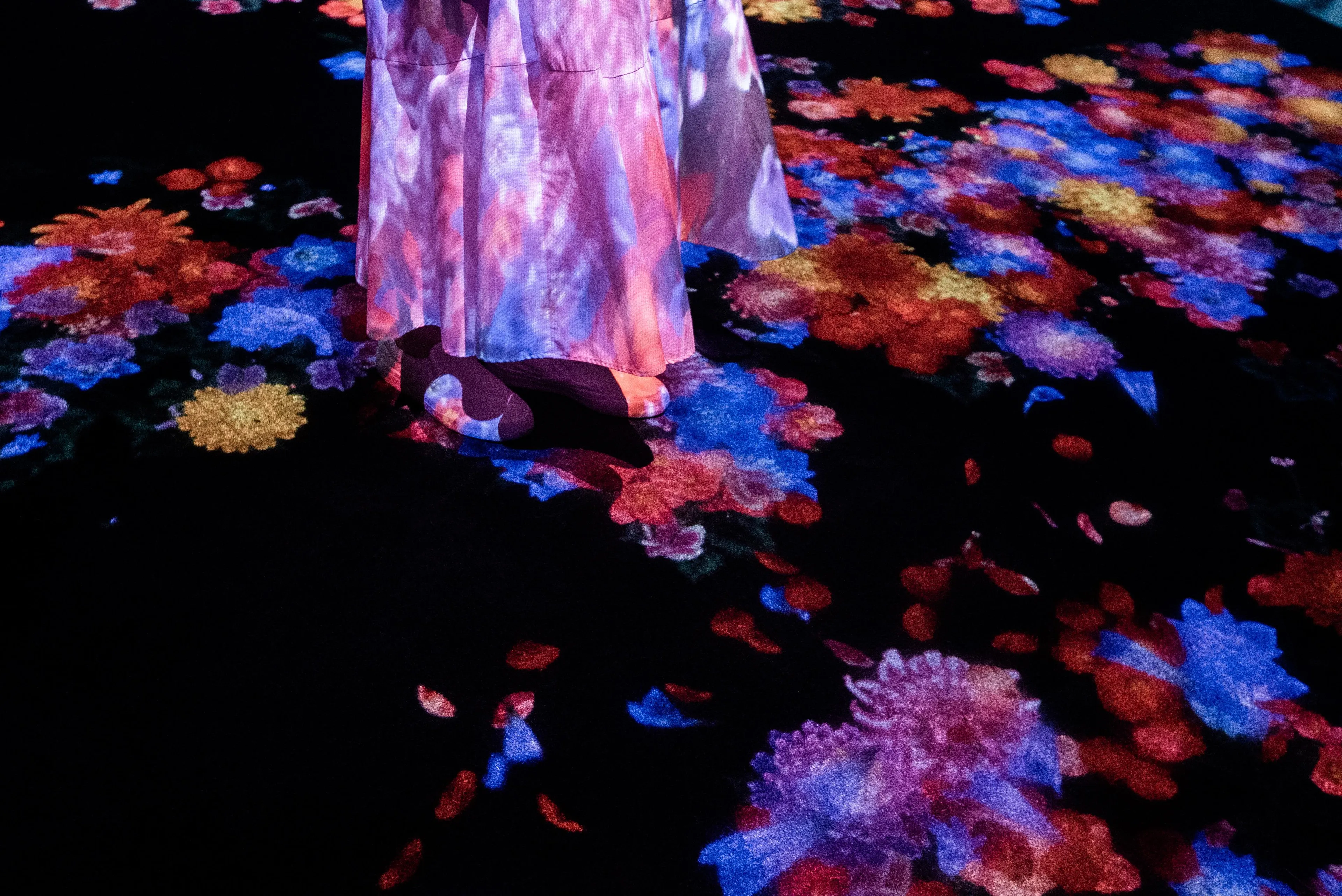
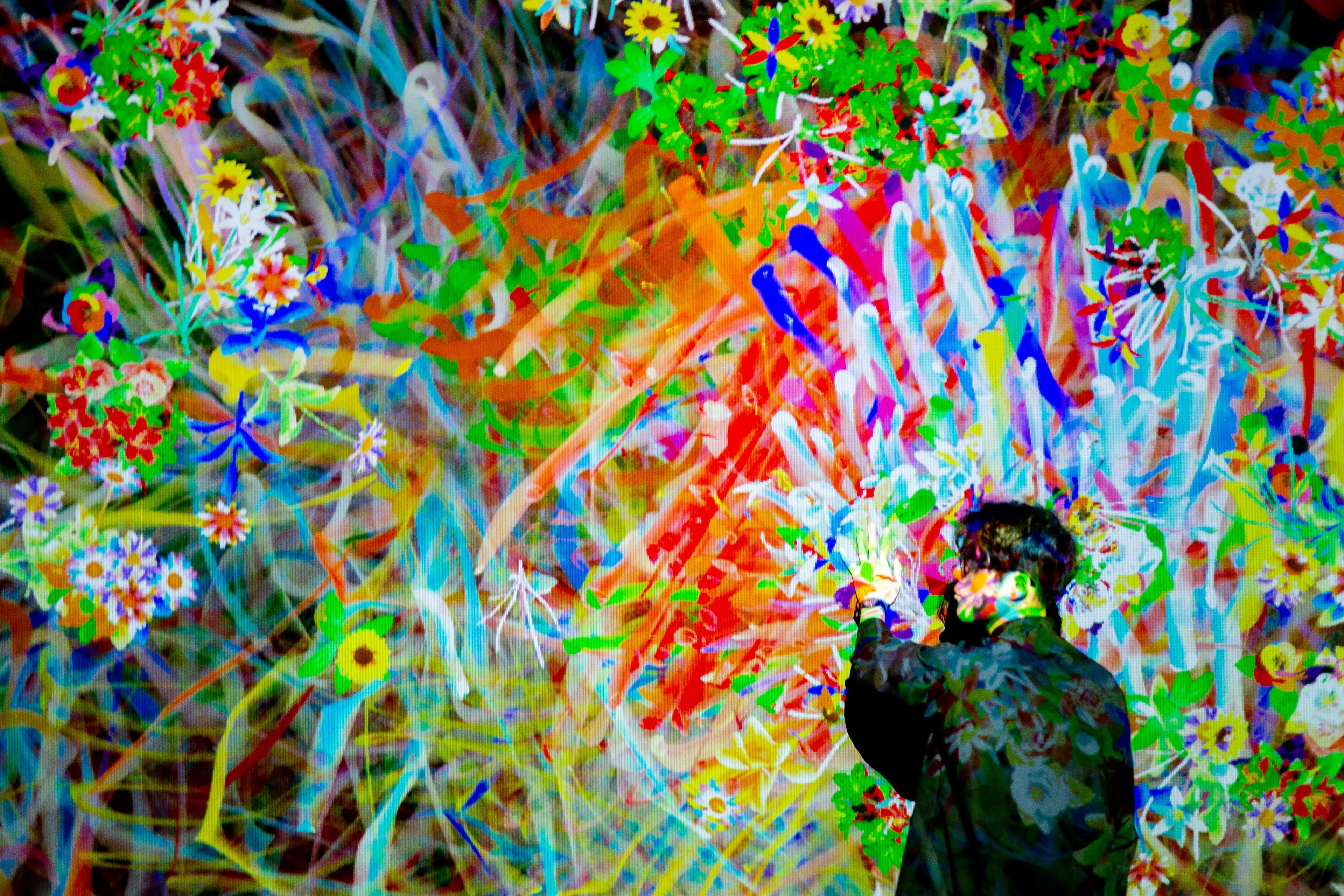
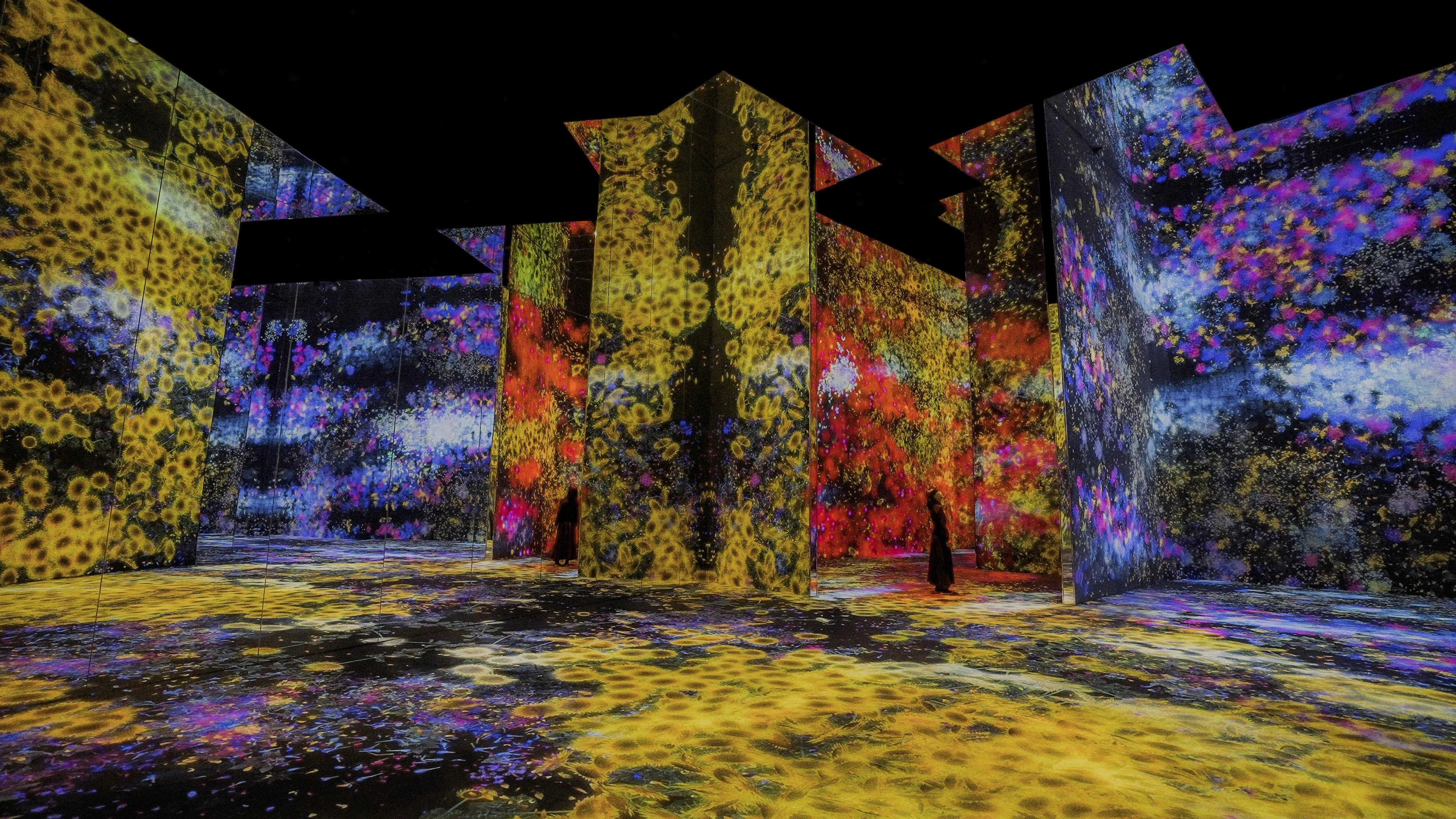
The flowers in this exhibition repeat the cycle of life and death in perpetuity, blooming and scattering under the influence of visitors. By making people a part of the artwork, the boundaries between the world of the artwork and that of the viewer are blurred.
In Continuous Life and Death at the Now of Eternity, flowers change daily along with the real-time seasons. The artwork world becomes brighter and darker together with Sao Paolo’s sunset and sunrise.
By actively perceiving the world through their entire body, we hope that visitors will experience the space and time created by artworks that are continuous with the body without boundaries.
This exhibition comprises artworks based on teamLab’s concept Ultrasubjective Space.
When the world is cropped by lenses or perspective in a moving image, the space in that image appears to exist on the other side of the screen, and the screen becomes a boundary. When our viewpoint is fixed, we lose sense of our body, and because our perception is narrowed to focus on a single point, we are easily put in a hypnotic state where intent and critical spirit are lost.
The screens of works based on Ultrasubjective Space do not become a boundary, blurring the borders between the space of the viewer and the artwork. Because the viewpoint can move, we can walk freely while looking at the image, and by not creating a focus, it becomes possible to expand perspective infinitely. The eye is not guided anywhere, enabling us to view the image with freedom of intent.
The flowers in this exhibition repeat the cycle of life and death in perpetuity, blooming and scattering under the influence of visitors. By making people a part of the artwork, the boundaries between the world of the artwork and that of the viewer are blurred.
In Continuous Life and Death at the Now of Eternity, flowers change daily along with the real-time seasons. The artwork world becomes brighter and darker together with Sao Paolo’s sunset and sunrise.
By actively perceiving the world through their entire body, we hope that visitors will experience the space and time created by artworks that are continuous with the body without boundaries.



작품
teamLab에 대해
아트 컬렉티브. 2001년 부터 활동을 시작했다. 예술, 과학, 테크놀로지, 그리고 자연계의 교차점을 학제적 접근으로 모색하고 있는 국제적인 학술적 집단. 아티스트, 프로그래머, 엔지니어, CG 애니메이터, 수학자, 건축가 등 다양한 분야의 전문가들로 구성되어 있다.
teamLab은 우리에게 익숙한 모든 경계에 대해 질문한다. 인간은 각자를 둘러싼 바깥 세상을 감각 기관으로 인지해 스스로와 분리하고 낱낱을 경계지어 독립체로 구분하려 한다. 현대 문명은 그런 방식으로 세계를 이해해 왔다. teamLab은 예술을 통해 감각을 확장하고 개인과 세계의 경계, 시간의 연속성에 대한 인지의 경계를 넘어설 수 있다고 믿는다. 이 세계의 모든 것은 광대한 시간 속에, 생명의 끝없는 연속 안에 가까스로, 하지만 기적적으로 존재하고 있다.
teamLab의 작품은 시드니 뉴사우스웨일스 주립 미술관, 애들레이드 사우스오스트레일리아 미술관, 샌프란시스코 아시아 미술관, 뉴욕 아시아 소사이어티, 이스탄불 보루산 현대 미술관, 멜버른 빅토리아 국립 미술관, 헬싱키 아모렉스가 영구 소장하고 있다.
teamlab.art
Biographical Documents
기본 정보
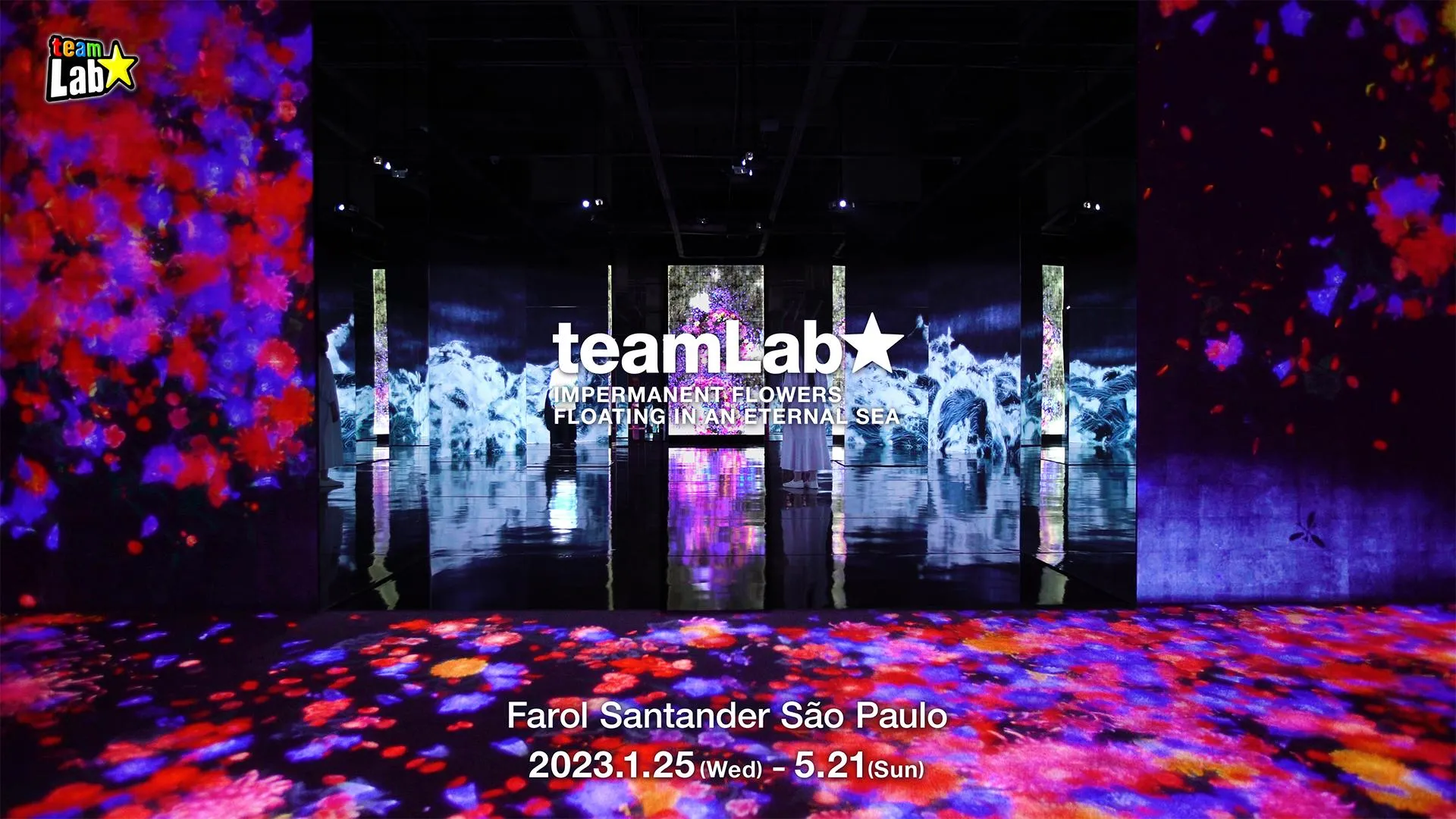
teamLab: Impermanent Flowers Floating in an Eternal Sea
기간
2023.1.25(Wed) - 5.21(Sun)
관람 시간
9:00 - 20:00 (Last Entry 19:00)
휴관일
Monday
Website
오시는 길
주소
Farol Santander São Paulo
R. João Brícola, 24 - Centro Histórico de São Paulo, São Paulo - SP, 01014-900
R. João Brícola, 24 - Centro Histórico de São Paulo, São Paulo - SP, 01014-900